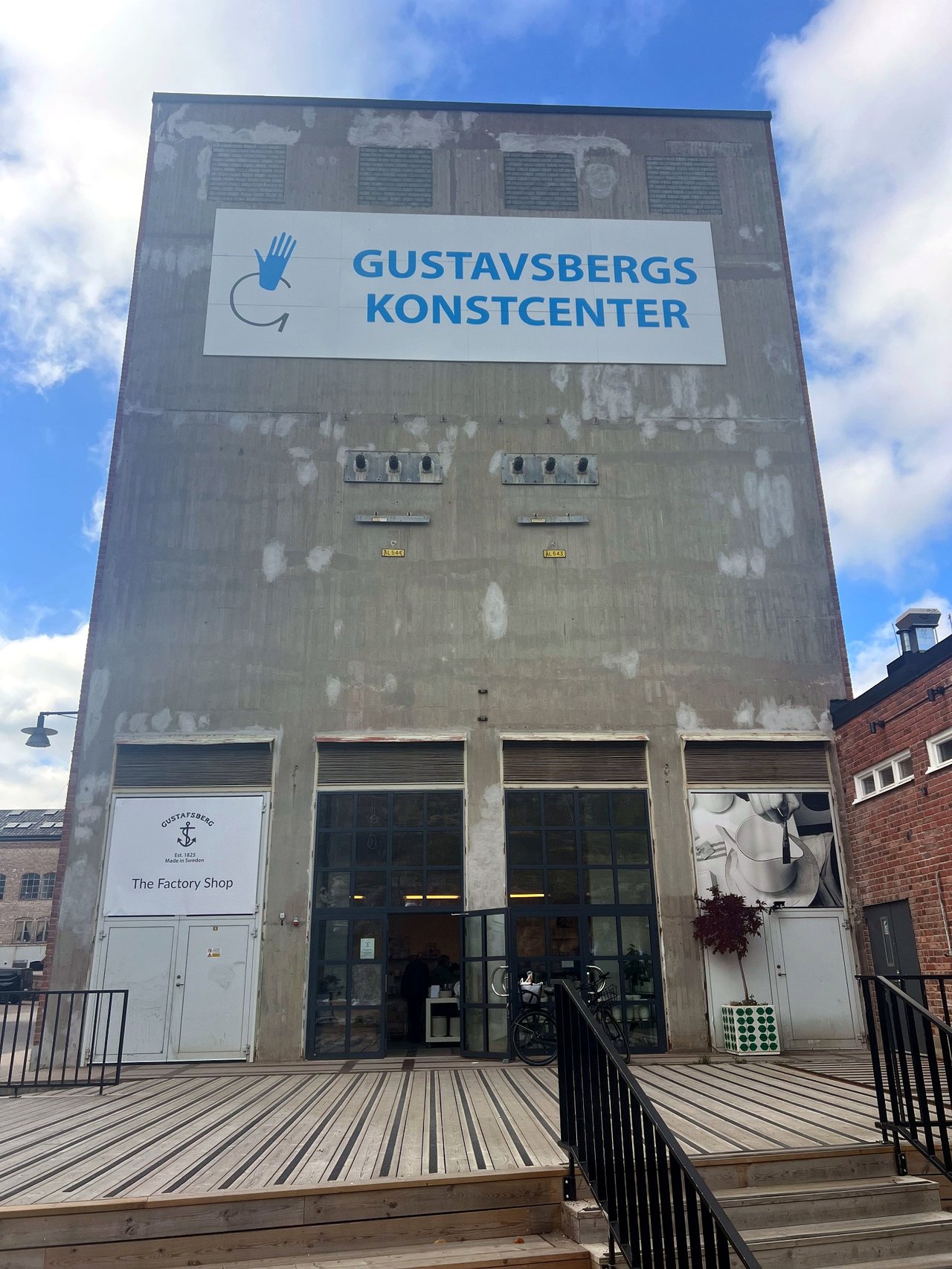
By the water in Gustavsberg, old factory buildings meet porcelain, art glass, design shops and new expressions. Prestaged took a walk through the harbour and found a place where Swedish design history is not simply preserved – it continues to change.
PHOTO: PRESTAGED
The place comes first
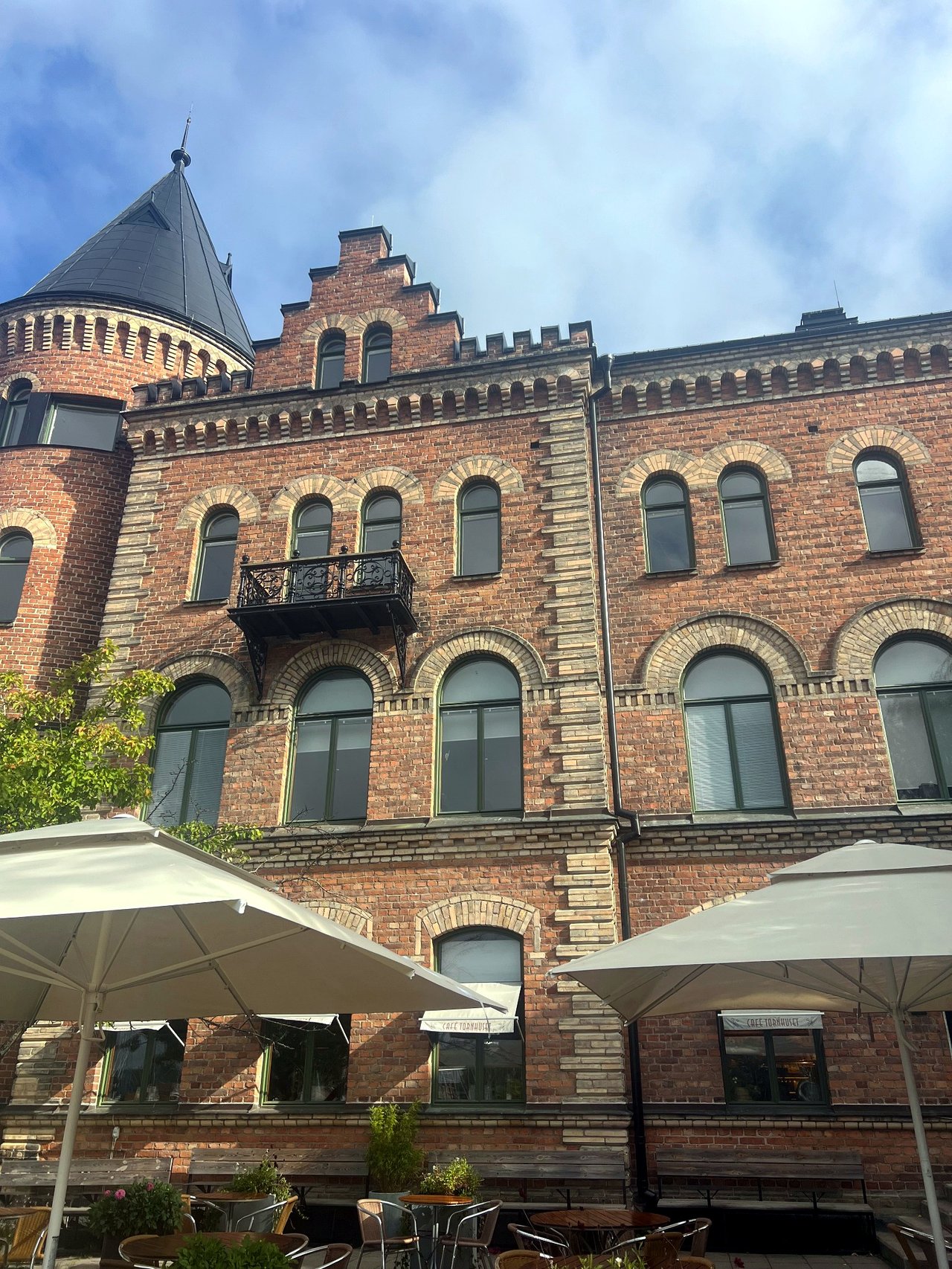
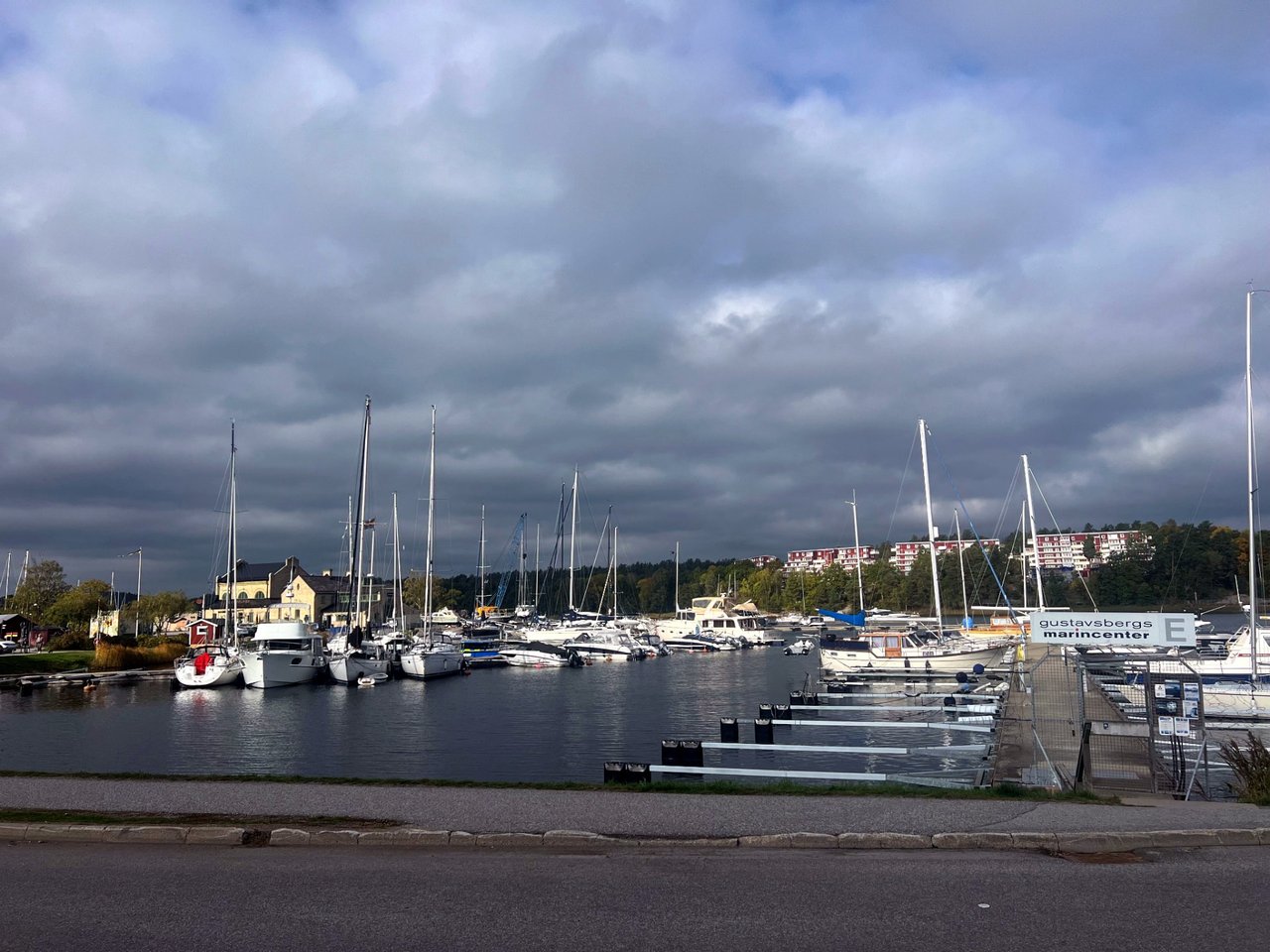
The first thing you encounter is not really the porcelain. It is the water, the boats and the industrial architecture.
PHOTO: PRESTAGED
Gustavsberg harbour still carries visible traces of its history. Brick, concrete and former factory buildings sit alongside art, design, shops and newer creative businesses.
That contrast is precisely what makes the place interesting. Design history does not feel particularly distant here – it remains visible in the architecture and materials around you.
Nearly two centuries of Swedish design
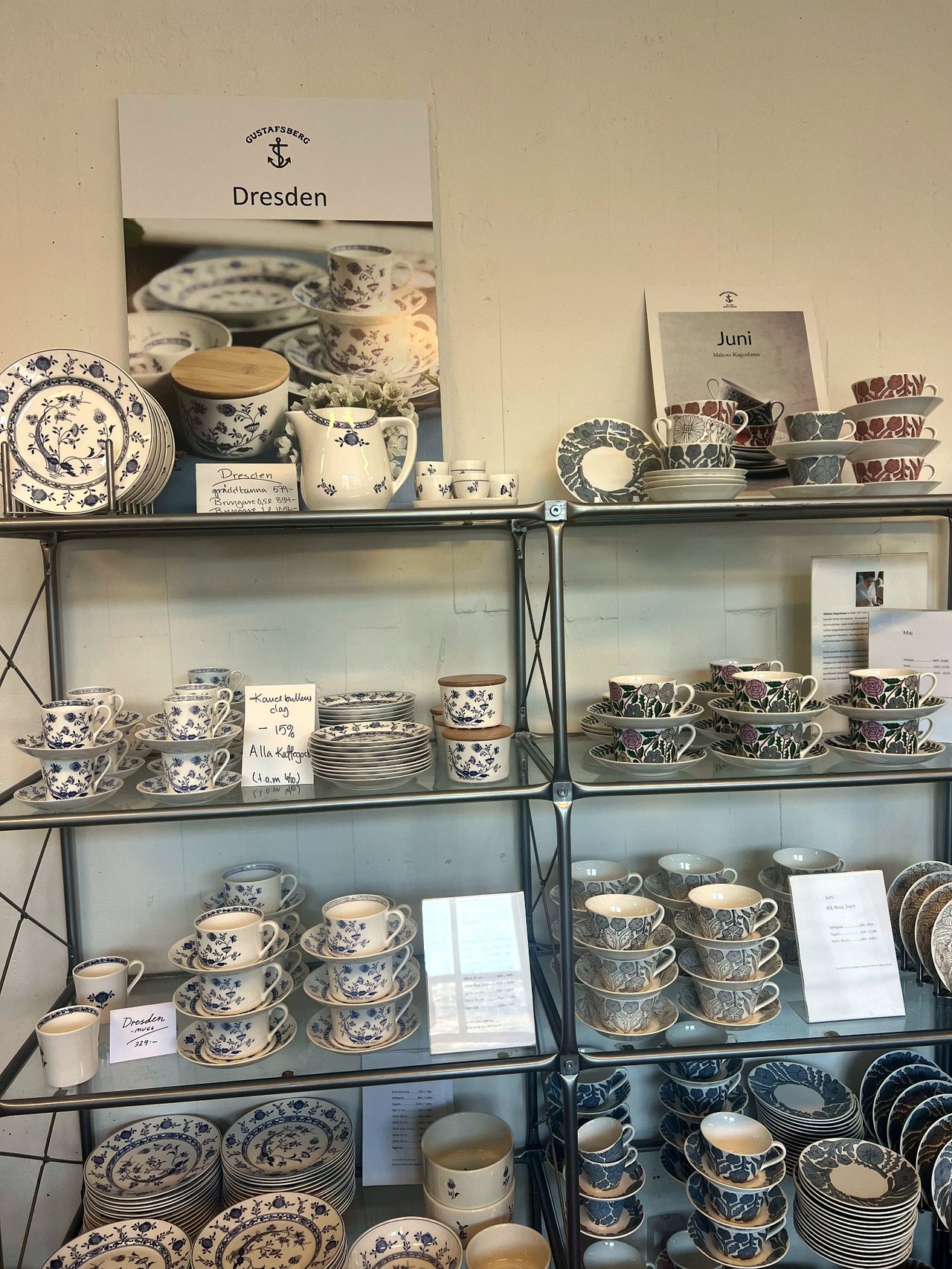
Gustavsberg's porcelain factory was established in 1825, with production beginning two years later. Over the generations that followed, the factory became an important part of Swedish design and industrial history, producing everything from everyday tableware and studio ceramics to sanitary ware, enamel and plastics.
PHOTO: PRESTAGED
Designers including Stig Lindberg, Lisa Larson, Wilhelm Kåge, Karin Björquist, Tyra Lundgren and Margareta Hennix all left their mark here – names that helped shape Swedish design during the 20th century.
The former factory production closed in 1993, but the legacy continues through the Gustavsberg Collection, the museum, contemporary design and the environments around the old factory district. Gustavsberg Porcelain Museum describes it as a living cultural heritage rather than simply something preserved from the past.
PHOTO: PRESTAGED
A history you can still see
Within the former factory environment, the connection between past and present becomes tangible.
PHOTO: PRESTAGED
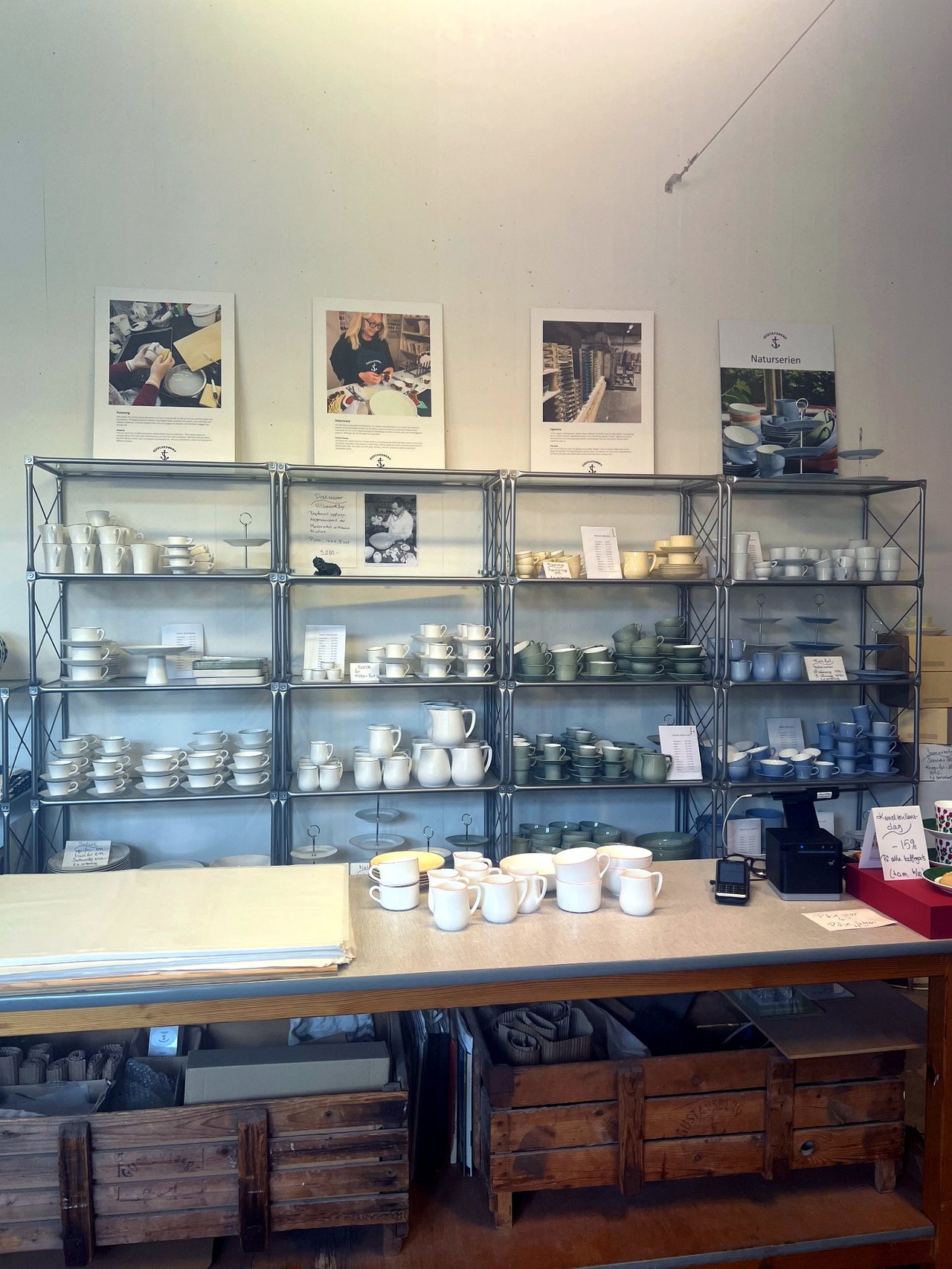
Porcelain remains central, but the surroundings also tell a story about the work behind the objects: production, materials, craftsmanship and design.
History therefore functions as more than a backdrop. It still shapes the way today's objects are understood.
More than design nostalgia
Gustavsberg is easily associated with classics, tableware collections and Swedish design history.
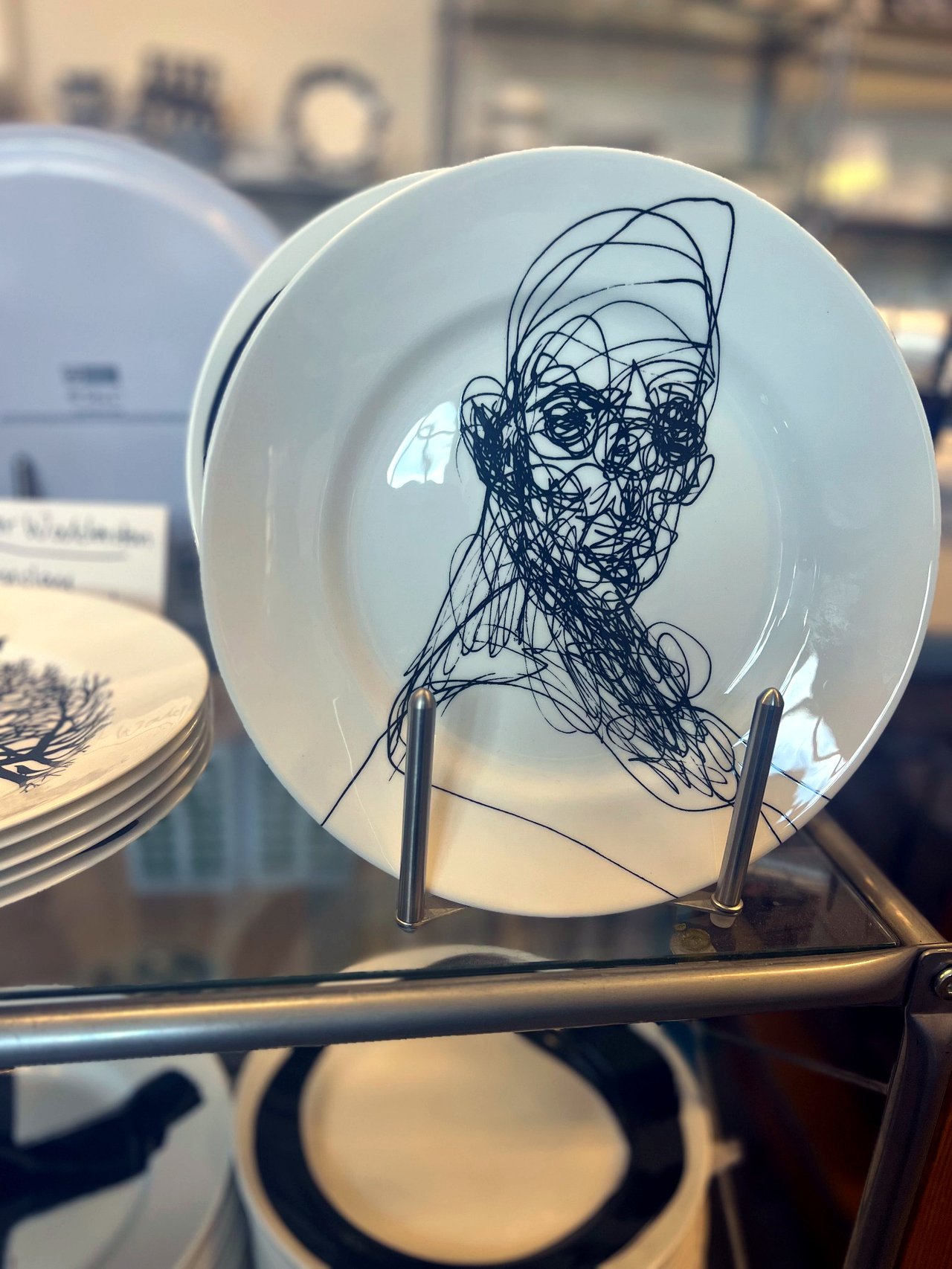
Yet some of the most interesting moments appear when the familiar is interrupted.
PHOTO: PRESTAGED
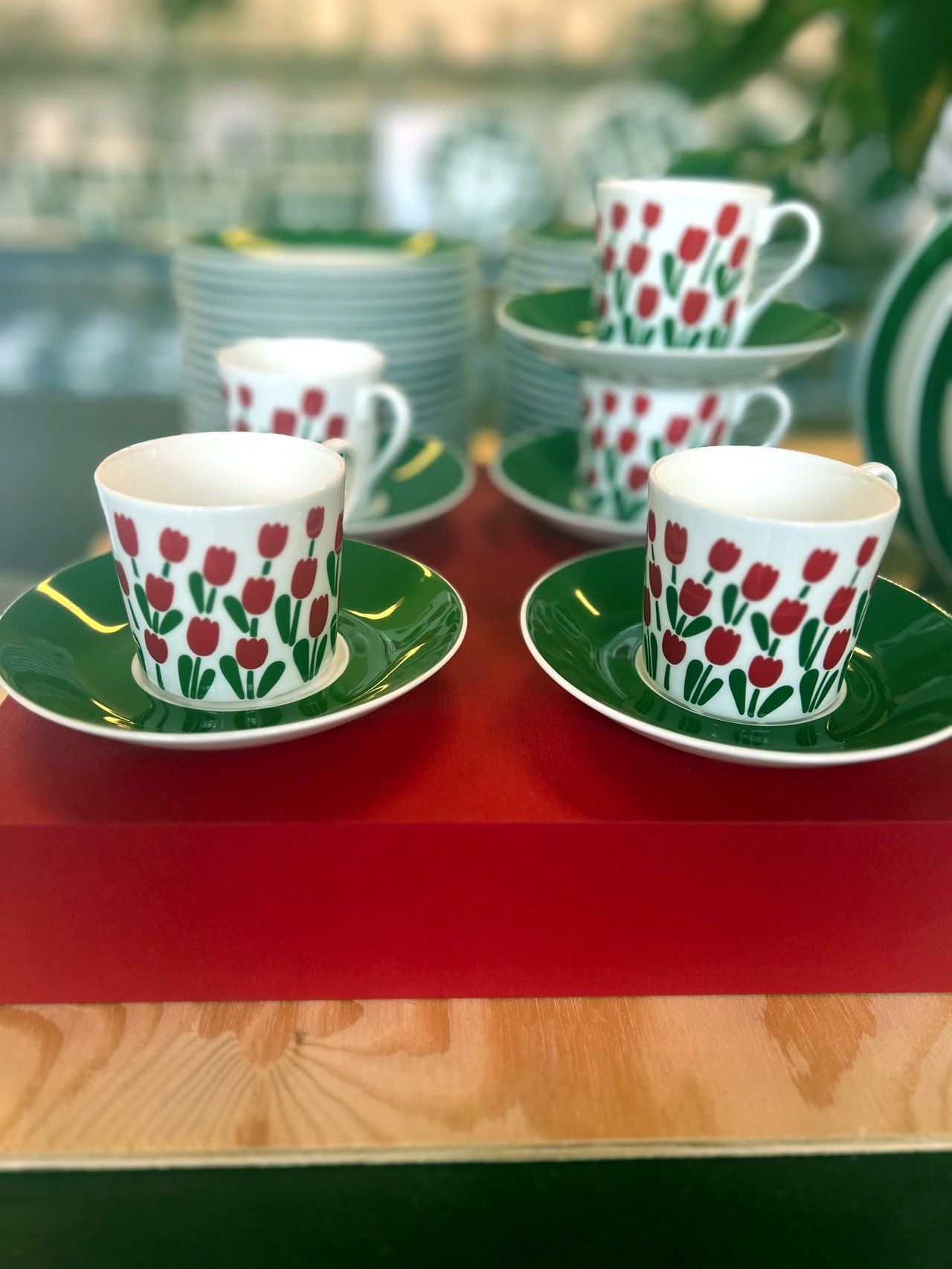
A graphic face drawn across white porcelain. An unexpected motif. Something that feels closer to an artist's studio than an archive.
This is where Gustavsberg begins to feel like a place in motion rather than somewhere looking only backwards.
Material · Glass
When colour takes over
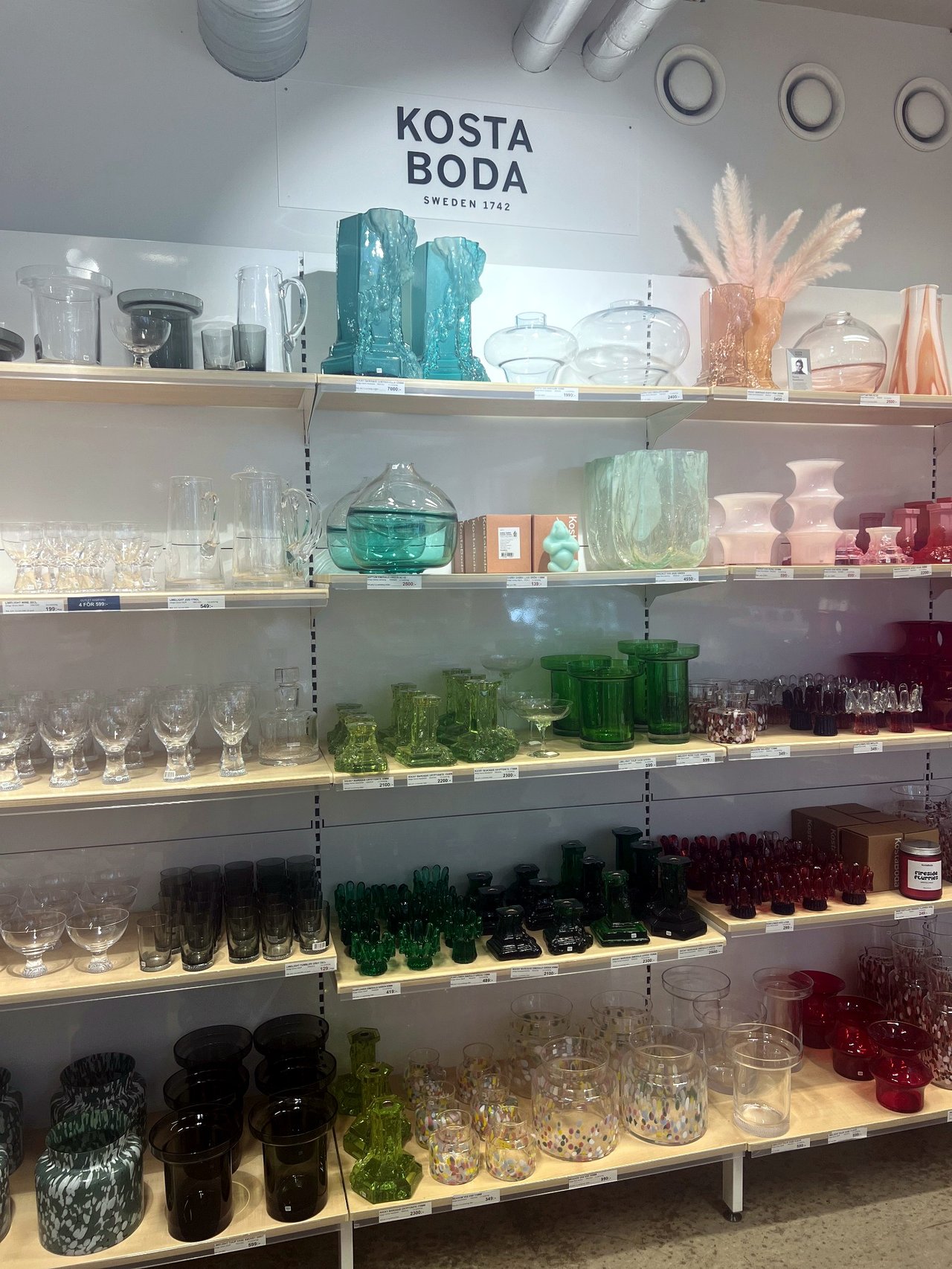
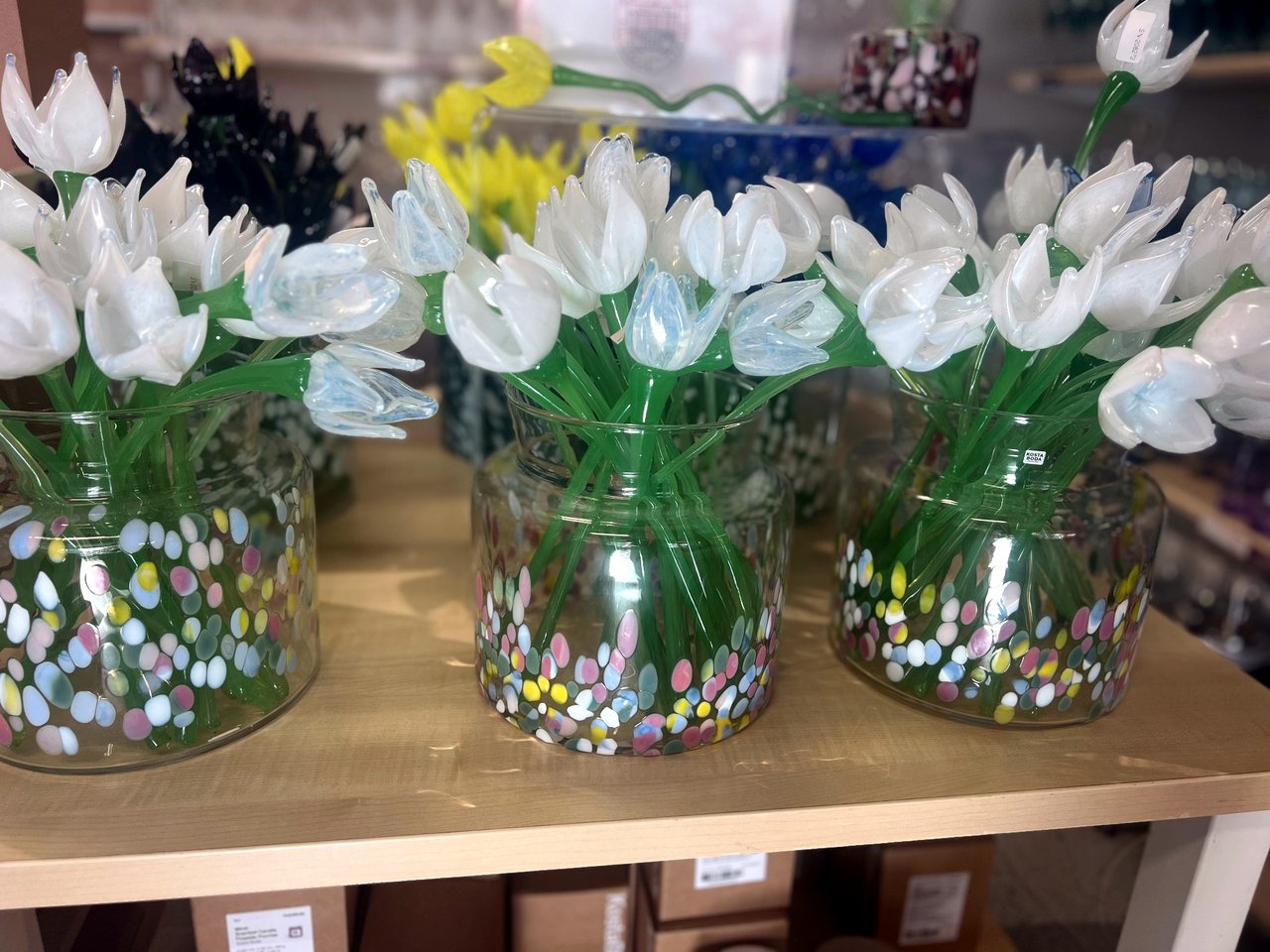
After the pale surfaces of porcelain, the mood changes as glass enters the picture.
PHOTO: PRESTAGEDPHOTO: PRESTAGED
Transparent, substantial, clear, green, pink and deeply coloured. Here, form is as much about light and the physical weight of the material as it is about silhouette.
Sculptural glass becomes a counterpoint to the everyday nature of tableware – another layer in Gustavsberg's mix of Swedish design.
Another side of Gustavsberg
PHOTO: PRESTAGED
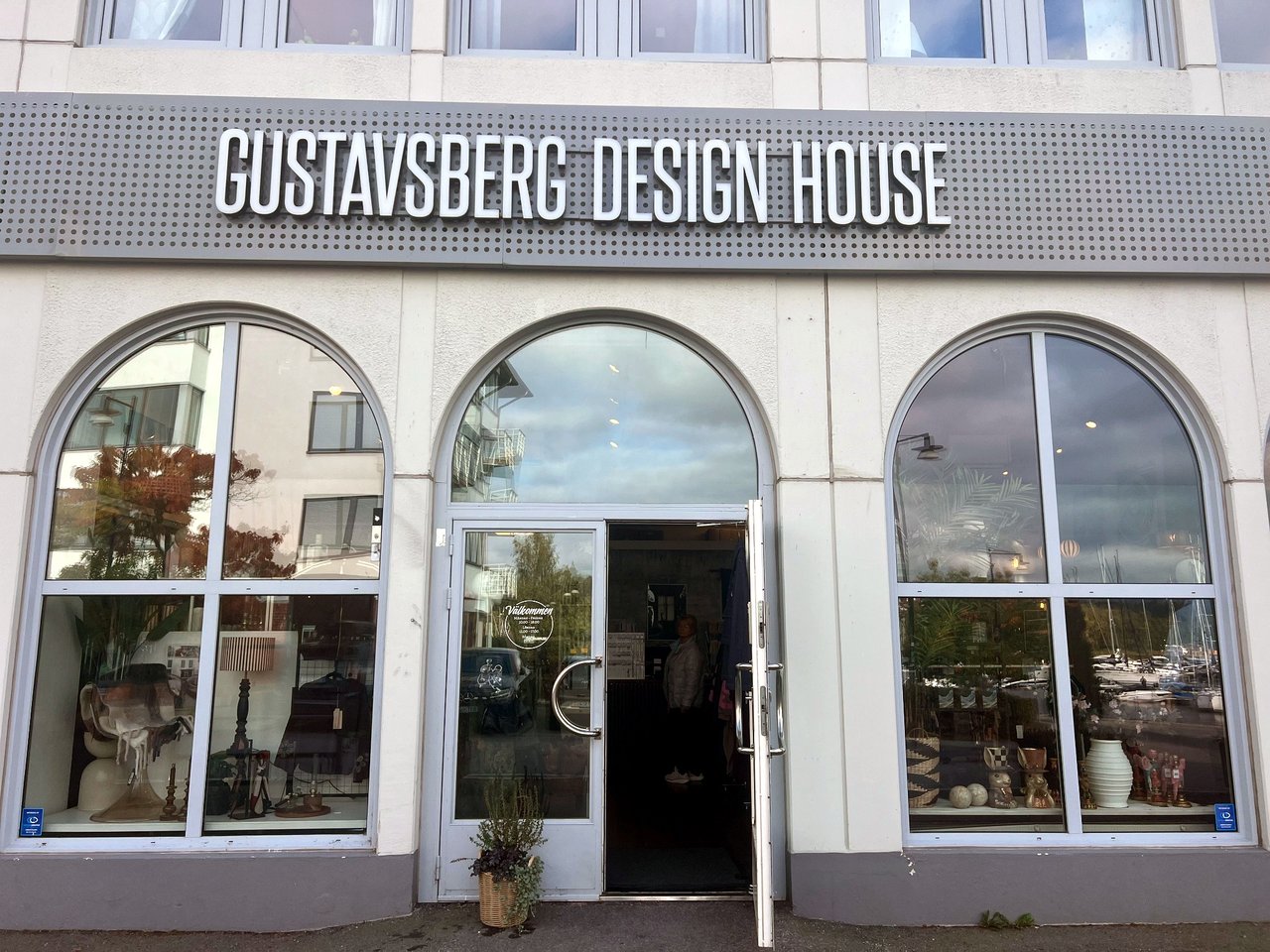
At Gustavsberg Design House, the expression becomes freer.
Gustavsberg Design House combines a shop and studio, bringing together interiors, locally made craft and original art. Graphic design and home styling are also part of the business, making it more than a conventional interiors shop.
PHOTO: PRESTAGED
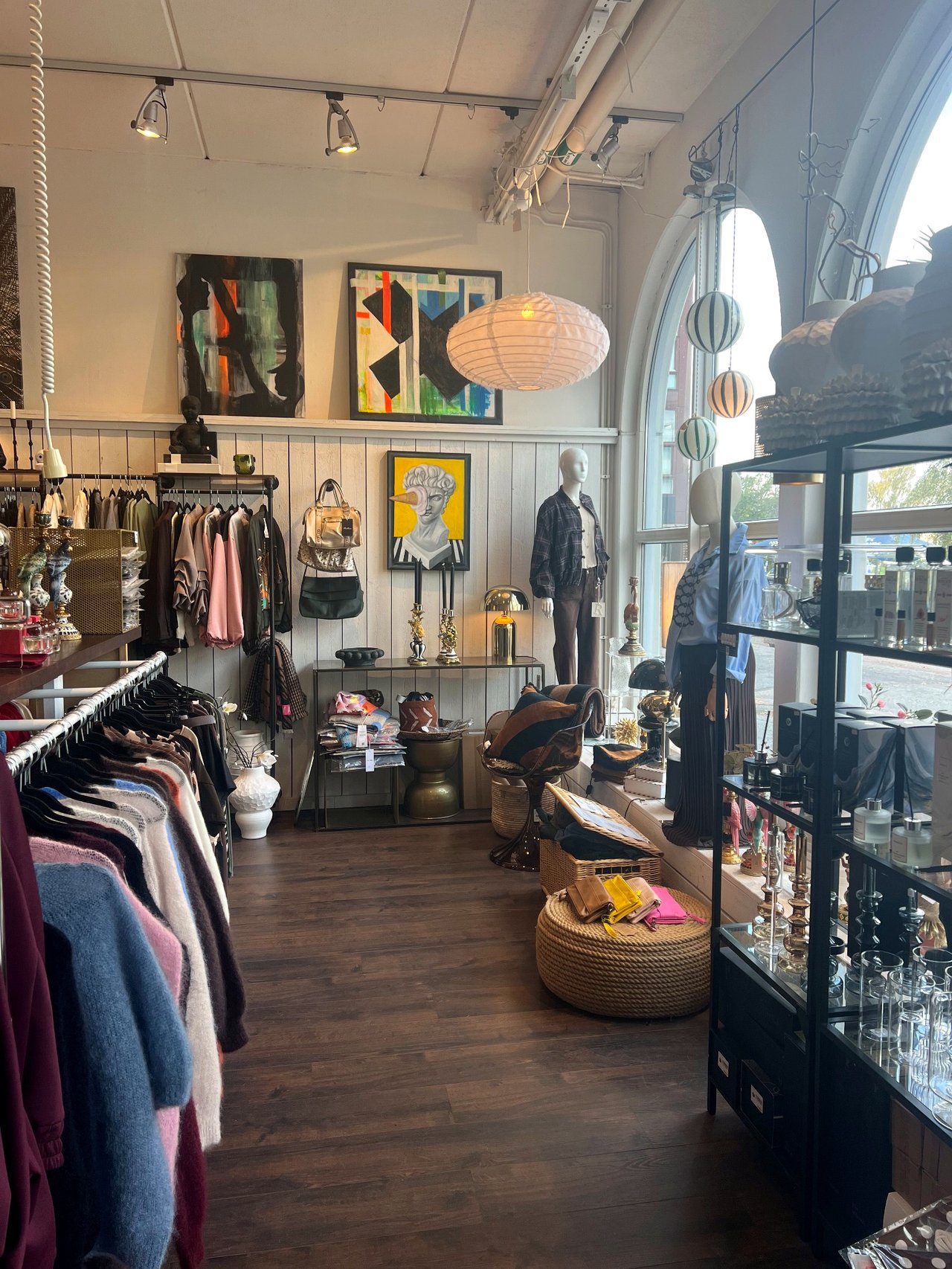
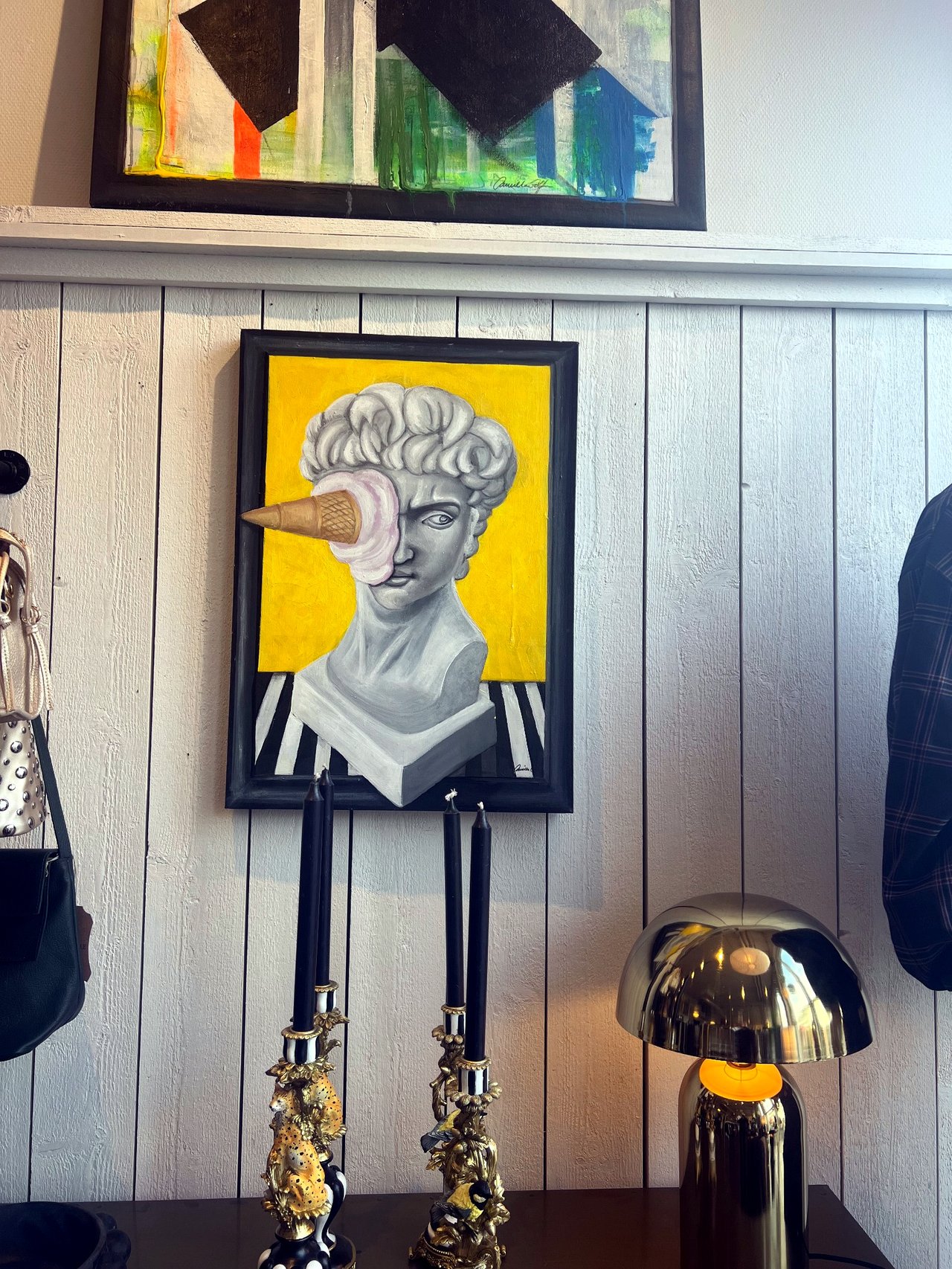
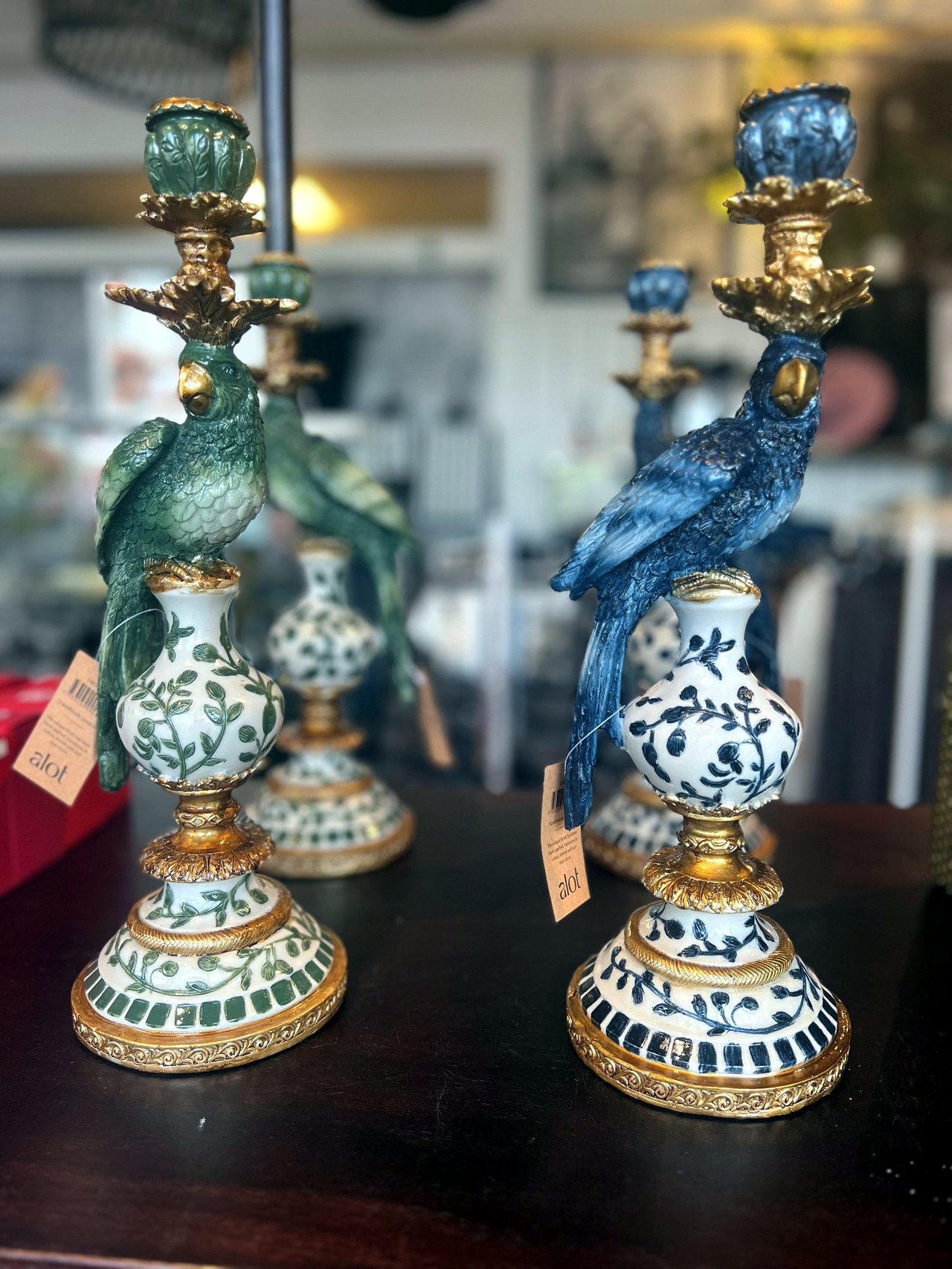
Art, fashion, lighting and decorative objects are mixed without an obvious rulebook. A bold painting can meet a polished metal lamp, while figurative candleholders sit alongside textiles, accessories and more traditional interior objects.
PHOTO: PRESTAGEDPHOTO: PRESTAGED
It is more eclectic than the restrained Scandinavian aesthetic often associated with Swedish design.
Perhaps that is exactly why we stay a little longer.
Prestaged noteWe are drawn to places where objects from different worlds are allowed to meet. A home – or a shop – often becomes more interesting when everything does not belong to the same style.
Names woven into the place
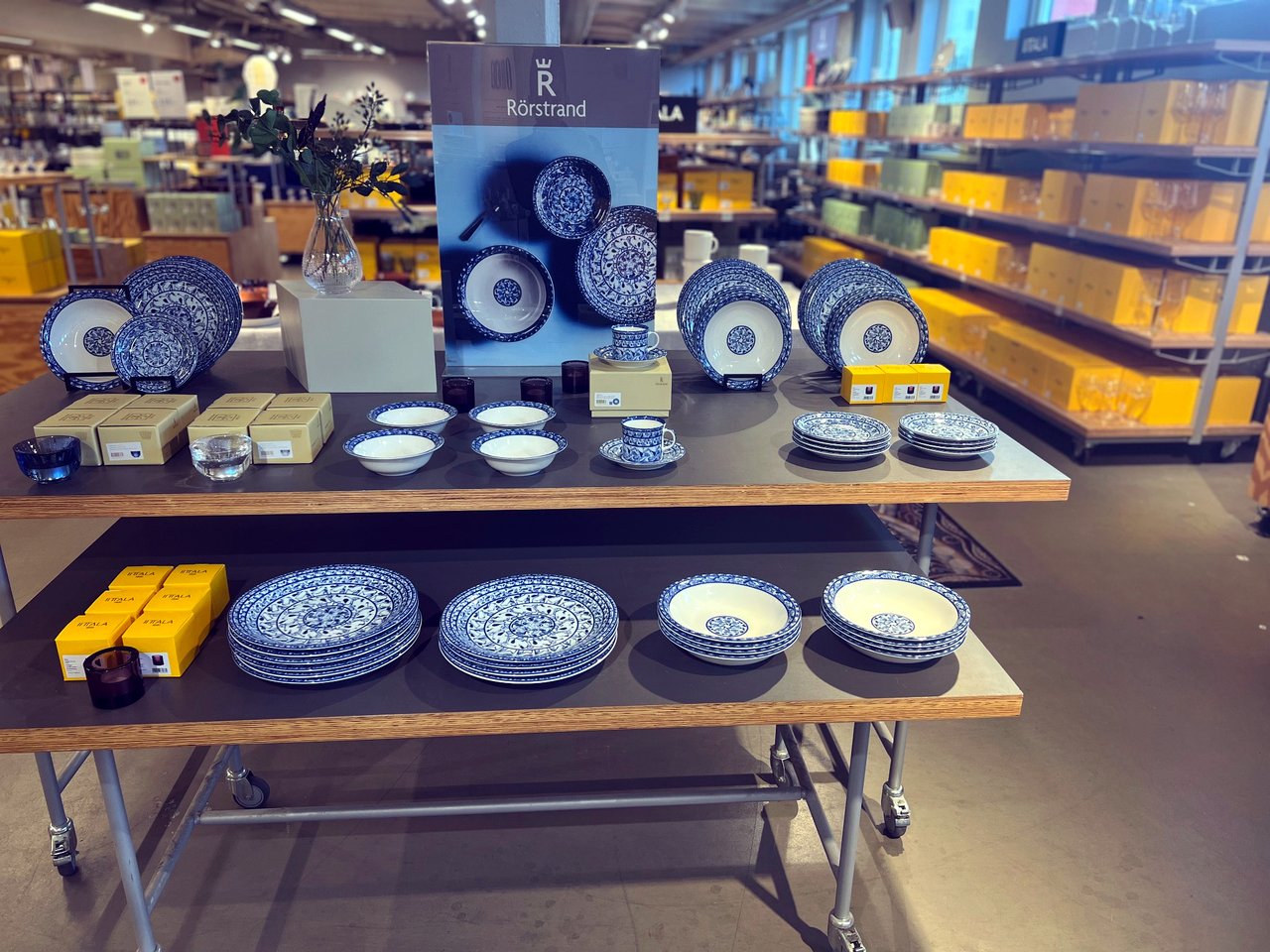
Rörstrand, Orrefors and Kosta Boda appear as different layers within the landscape.
PHOTO: PRESTAGEDPHOTO: PRESTAGED
What matters is not simply the individual brands, but the way different Swedish design languages are allowed to coexist – from familiar tableware to decorative and sculptural glass.
What stayed with us
Gustavsberg is a reminder that a design destination does not need to be visually consistent to feel coherent.
Industrial and decorative. Everyday and collectible. Restrained porcelain and colourful glass. History alongside much newer expressions.
Perhaps it is precisely that mixture that makes the place worth returning to.
PHOTO: PRESTAGED
Prestaged noticed
01 · Material before trendPorcelain, glass, brick and wood make the place physical in a way a digital inspiration feed never can.
02 · Old does not have to mean nostalgicHistory becomes most interesting when it is allowed to meet new expressions.
03 · Personality over perfectionThe environments we remember are not necessarily the most uniform, but the ones where unexpected objects are allowed to coexist.
04 · Swedish design is larger than a single styleGustavsberg shows how many different expressions can exist within the same design history.
Newsletter
Prestaged Edit
Selected environments, guides, longer reads and details worth saving. Curated by Prestaged.
Sources & further reading
Om museet – historia och nutid. Gustavsbergs Porslinsmuseum. Read the source Source for the factory's founding in 1825, the start of production, the closure in 1993 and the description of the area as a living cultural heritage.
Om Gustavsbergssamlingen. Gustavsbergs Porslinsmuseum. Read the source Source for the breadth of production and the designers who worked at the factory.
Företag i Gustavsbergs hamn. Read the source Source for the description of Gustavsberg Design House as a shop and studio with interiors, craft, art, graphic design and home styling.
The Dock in Södertälje is more than a new waterfront hotel. It is an environment where an international hotel sensibility meets Scandinavian restraint, and where the interior works deliberately with light, texture, colour and clearly styled spaces. For Prestaged, it is above all the interplay between the view, materials and details that makes the place worth a closer look.
PH 5 feels almost inevitable today. Yet its form did not begin with the desire to create a distinctive silhouette. It grew out of decades spent addressing a far less glamorous problem: how to stop electric light from glaring.